
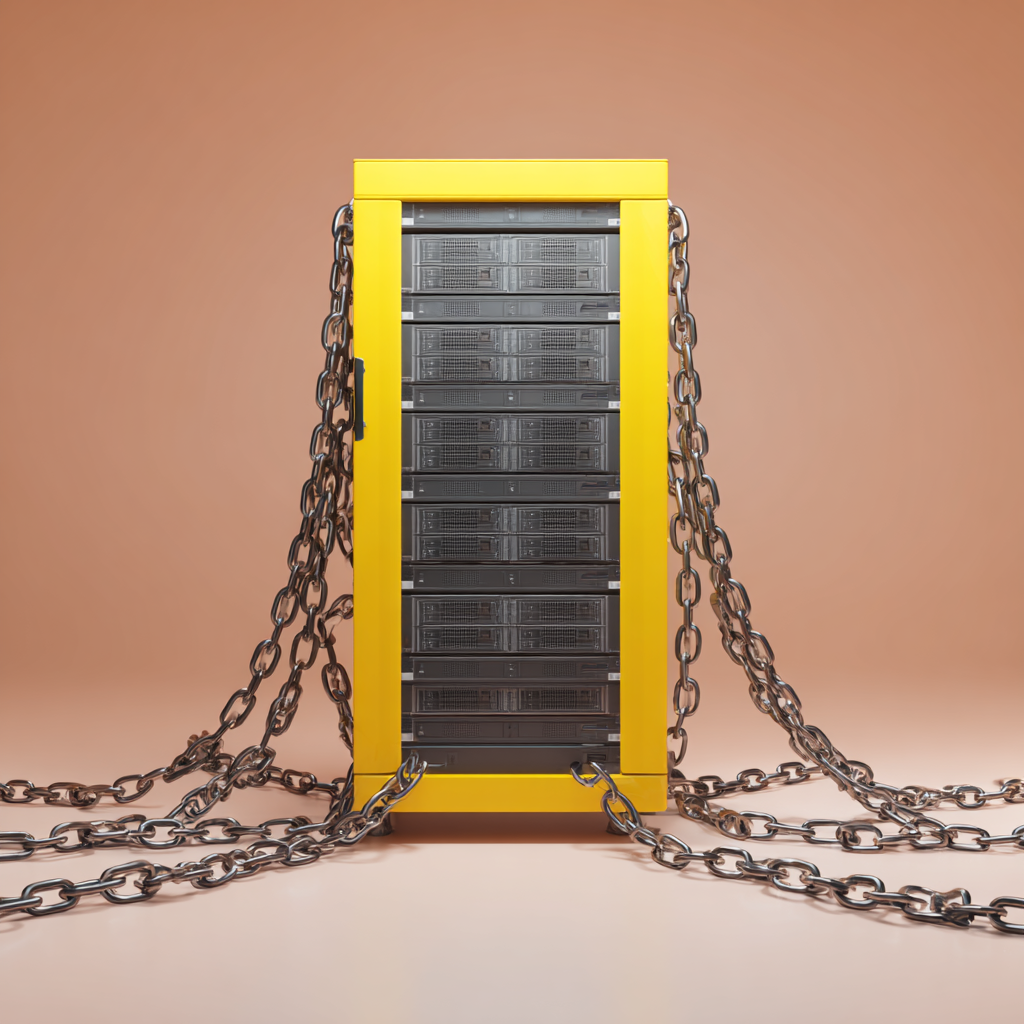
The End of Egress Fees: The Year of "Sovereign Cloud"
Say goodbye to egress fees. In 2026, sovereign cloud lets businesses own their data, cut costs, and escape centralized cloud lock-in.
For the last fifteen years, the business world has accepted a bad deal. We moved our data to the centralized cloud for convenience, and in exchange, we accepted "rent" payments that never end.
But in 2026, the bill has come due. As companies try to move their massive datasets for AI training, archival, or multi-cloud redundancy, they're hitting the "Egress Fee" wall. These are the exorbitant costs charged by Big Tech providers just to let you download your own files fees that can run into the millions for enterprise datasets.
The Trap of Centralized Cloud
Centralized cloud providers have pulled off the perfect "Hotel California" trick. You can check out any time you like, but your data? That stays. Or rather, it can leave, but you're going to pay a ransom for it.
This isn't an accident. It's a business model. They call it "Egress Fees." You should call it what it is: a penalty for trying to leave.
It limits your agility and strategic independence.
- Innovation Stagnation: If a competitor offers a better AI tool or a cheaper storage rate next year, you can't switch because the cost of moving your petabytes of data would bankrupt the project.
- Risk Concentration: By keeping all your eggs in one vendor's basket, you're vulnerable to their outages, their policy changes, and their pricing hikes.
You aren't the owner of your infrastructure. You're a captive tenant.
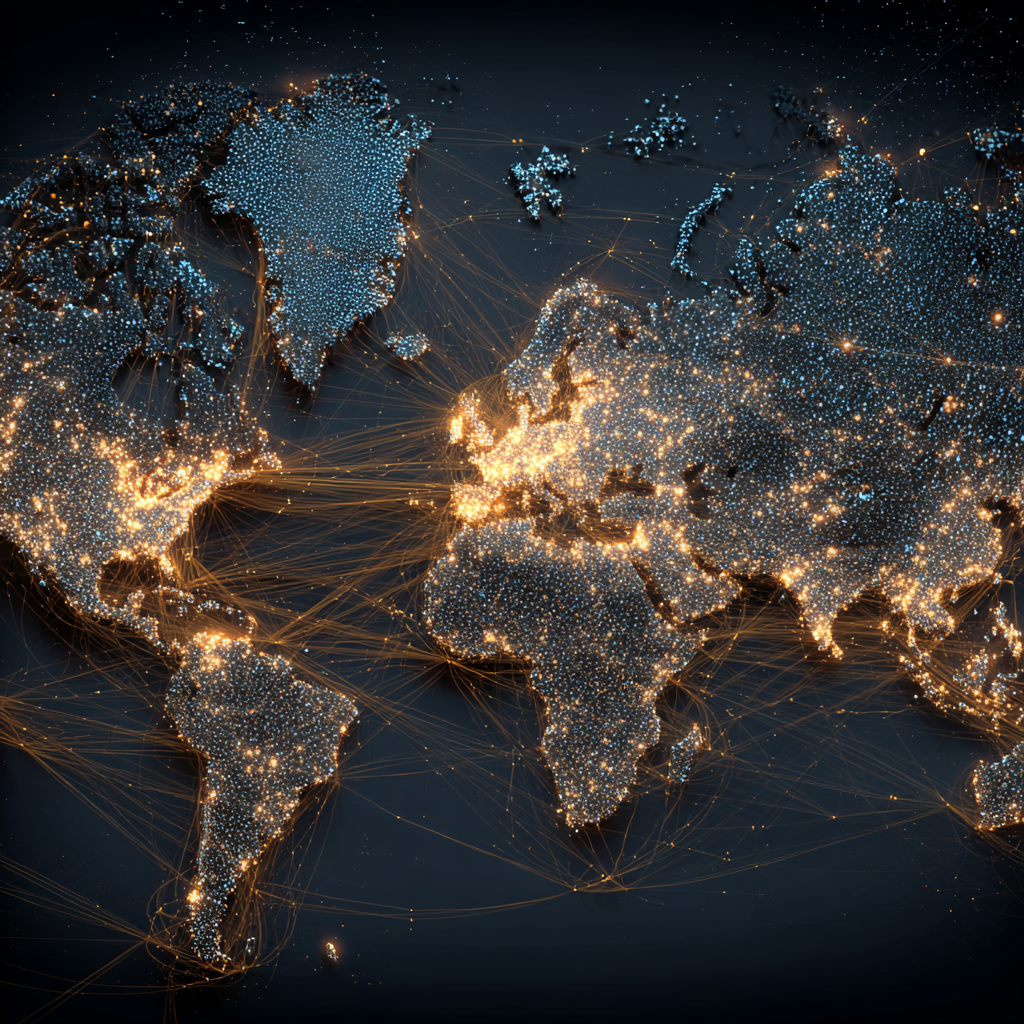
The Rise of Sovereign Cloud & DePIN
The market is shifting toward Sovereign Cloud and DePIN (Decentralized Physical Infrastructure Networks). This isn't just a trend for crypto-native companies. It's becoming a CFO-level priority for traditional enterprises.
In this model, you don't rent space in a single data center owned by a single corporation. Instead, your data is sharded, encrypted, and distributed across a global network of independent nodes.
1. The Death of Egress Fees
Because no single entity controls the network, artificial barriers to data movement are removed. In a decentralized market, bandwidth is a commodity, not a monopoly. You pay for what you use, but you aren't penalized for moving your property.
2. True Ownership via Keys
In a centralized cloud, the provider holds the keys. They can technically decrypt your data if compelled by a subpoena or a rogue admin. In a Sovereign Cloud model, you hold the keys. Even the storage nodes hosting your shards cannot see what they're storing. This is true digital ownership.
3. Resilience Through Distribution
A centralized data center is a physical target. It can be hit by a hurricane, a power outage, or a cyberattack. A decentralized network has no single point of failure. Your data exists in dozens of locations simultaneously, ensuring availability even if huge swaths of the network go offline.
The Hybrid Bridge: How to Move Without Breaking
The shift to Sovereign Cloud doesn't mean ripping out your entire infrastructure overnight. Smart CIOs are adopting a "Hybrid Bridge" strategy.
- Step 1: Archival Data. Start by moving your "cold" storage backups, logs, and compliance archives to decentralized networks. The cost savings on storage alone often fund the entire migration.
- Step 2: High-Egress Workloads. Identify the workflows that require moving large files frequently (like video rendering or AI dataset training). Move these to Sovereign Cloud to eliminate the egress tax.
- Step 3: Core IP. Finally, move your most sensitive intellectual property. Not for the cost savings, but for the "Zero Knowledge" security benefits.
Reclaiming Your Budget and Your Rights
The era of the "Lazy Cloud" strategy is over. Companies can no longer afford to blindly dump data into expensive, centralized buckets.
By moving to a decentralized architecture, businesses are slashing their cloud bills by 60-80% while regaining total control over their digital assets. In 2026, the competitive advantage belongs to companies that own their data infrastructure, not the ones renting access to it. It's time to stop paying a ransom to access your own files.
Stop paying to access your own data. Move to TransferChain Drive and experience true data ownership, zero egress fees, and lower cloud costs today.
