
Privacy & Security

The Immutability Guarantee: How Blockchain Turns File History Into Legal Evidence
Most logging systems rely on trust. Blockchain-backed audit trails replace that trust with cryptographic proof. See how TransferChain Drive records file activity on an immutable ledger.

TRANSFERCHAIN GCC PUBLIC SECTOR & DEFENSE COMPLIANCE ENABLEMENT GUIDANCE
TransferChain enables secure cloud collaboration for GCC governments and defense through zero-knowledge encryption, post-quantum security, and sovereign data control—aligned with national cybersecurity frameworks.

TransferChain is Now Quantum-Proof: ML-KEM-768 Integration
TransferChain integrates NIST ML-KEM-768 hybrid key exchange to reduce harvest-now-decrypt-later risk and deliver quantum-proof data protection today.

Beyond Redundancy: Why File Sharding Is a Security Feature, Not Just a Backup Strategy
Client-side encryption and file sharding split data across clouds, ensuring no single breach can expose complete files—true security beyond backups.
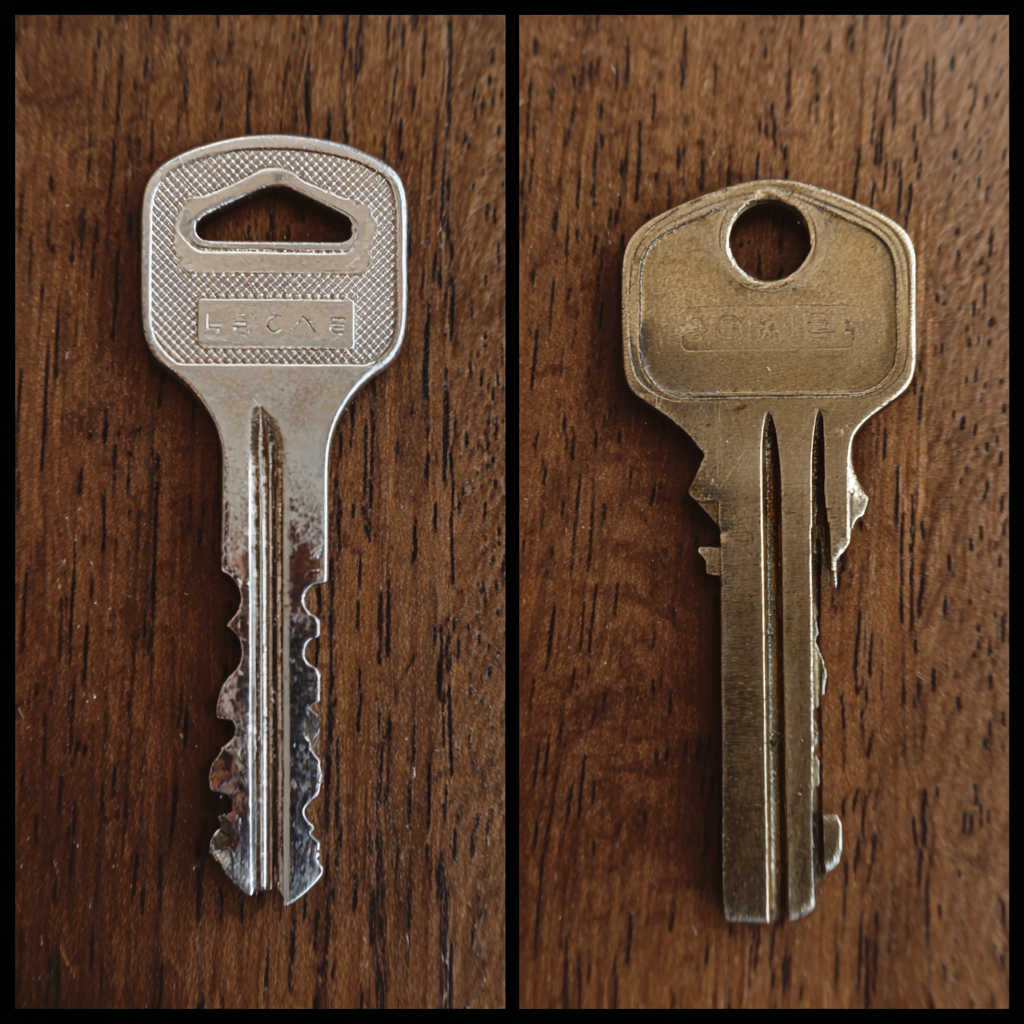
The Custody Problem: Why Holding Your Own Keys Changes Everything
Encryption alone does not guarantee data ownership. Many cloud providers keep the keys, retaining the power to decrypt or disclose your data.

The Metadata Paradox: Why "What You Send" Matters Less Than "How You Send It"
Encrypted files aren’t private if metadata leaks. Learn how AI exposes behavior patterns—and why data movement matters as much as content.

The Authentication Crisis: Why Your Communication Channels Are Broken (Not Just Compromised)
Email and cloud sharing can’t prove identity, and deepfakes have made human judgment unreliable. The answer isn’t more training—it’s cryptographic verification. Secure, signed, tamper-evident file transfers are the foundation of trust in the deepfake era.

The Silent Leak: "Shadow IT" is Your Biggest Compliance Risk in 2026
Shadow IT is a growing security and compliance risk. When employees use consumer tools like WeTransfer, sensitive data leaves your control. This article explains how Shadow IT breaches happen and why Privacy by Design is the only sustainable way to prevent data leaks without slowing teams.
Tips for Secure File Sharing
Secure file sharing made simple — protect your data with end-to-end encryption, zero-knowledge architectures, and full control over where your files live.

2025 File Transfer Statistics: Trends, Risks, and How to Protect Your Data
As workplaces continue to digitalize, efficient and secure file transfer becomes increasingly crucial. Yet, recent studies show concerning trends around file-sharing practices among employees. Understanding these statistics is key to addressing potential vulnerabilities in your organization's data security. Let’s explore the latest statistics on file transfers,

File Sharing’s Trust Problem
If you're reading this, you're likely questioning whether your current file-sharing setup is protecting your sensitive data. You should be concerned. In 2025, even cybersecurity companies like Fortinet—with a 15% share of the global firewall market—fell victim to attackers who compromised customer data

Why TransferChain Uses Blockchain
The Core Motivation: Privacy by Design TransferChain’s choice of blockchain over centralized servers reflects our unwavering commitment to user privacy and data protection. We neither access nor analyze data passing through our system. Centralized architectures—even encrypted ones—pose inherent risks: custodianship makes providers targets for legal demands, breaches,